
Garlic producers call for review of import agreements
Industry organizations are calling for changes to the rules governing imports from China and Argentina and warning of impacts on production, employment, and supply in Brazil.
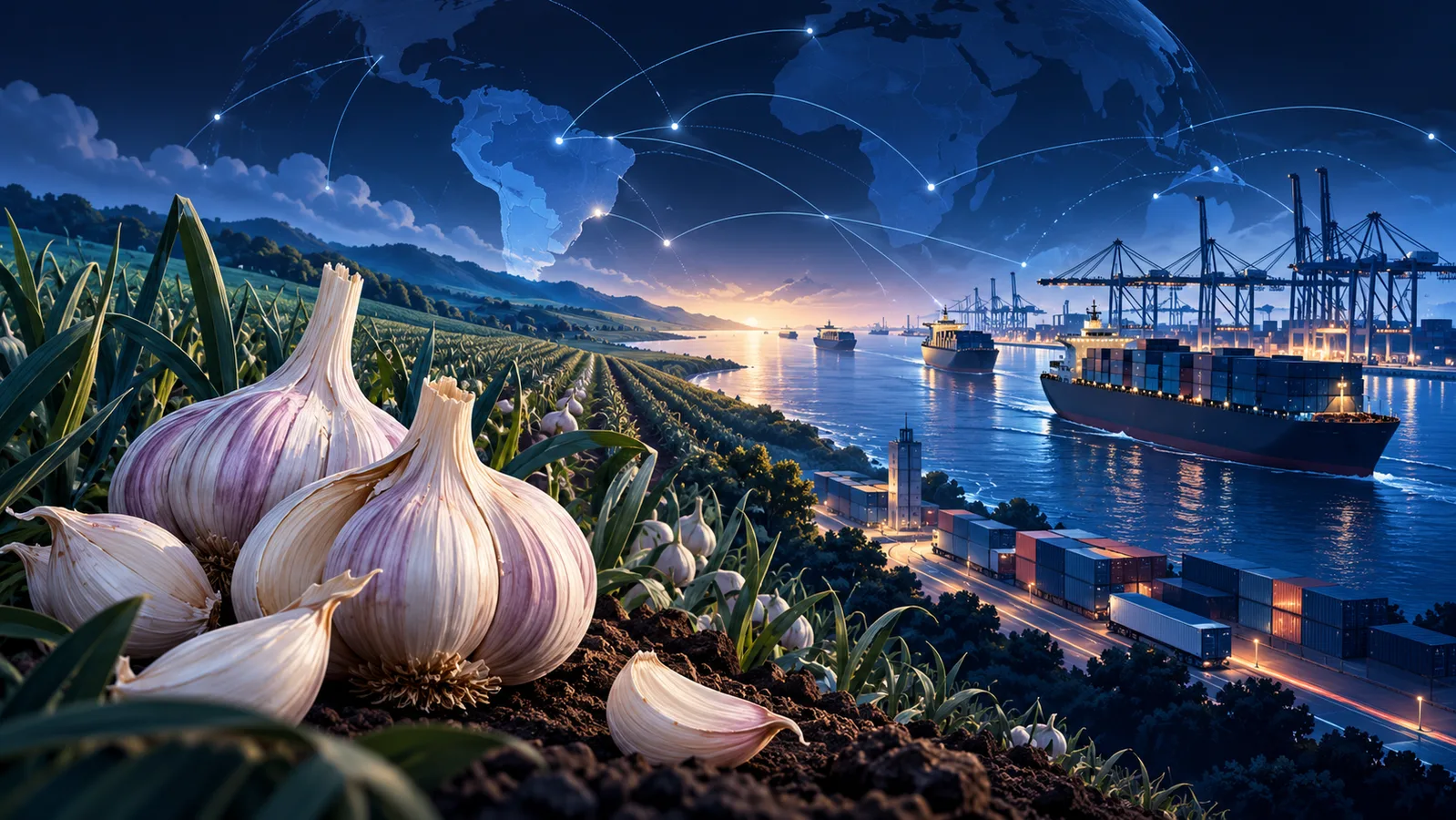
Garlic producers and sector representatives called for changes to import rules during a public hearing held on June 1, 2026, in São Gotardo, in Alto Paranaíba, a region that accounts for a significant share of production in Minas Gerais. The meeting was organized by the Agriculture and Agribusiness Committee of the Legislative Assembly of Minas Gerais (ALMG).
The Associação Nacional dos Produtores de Alho (Anapa) and Associação Mineira de Produtores de Alho (Amipa) called for commercial protection measures in response to competition from Chinese and Argentine products. The proposals included reviewing agreements with the two countries and strengthening the application of anti-dumping rules.
According to information presented at the hearing, Alto Paranaíba accounts for more than 60% of the garlic produced in Minas Gerais. The activity covers about 8,000 hectares in the region, and the harvest reaches R$ 2.5 billion, according to Anapa. Producers also said that each cultivated hectare generates 16 direct and indirect jobs.
During the meeting, sector representatives linked the reduction in Brazil’s planted area to competition from imported products. They also mentioned the growth of Argentine exports to the Brazilian market and the arrival of garlic from other countries, such as Egypt.
Amipa president Flávio Ferreira Silva said that a 10-kilogram box produced in China costs about US$ 10 and reaches Brazil for less than R$ 100, while the cost of production in Minas Gerais would be between R$ 140 and R$ 150. The organization said it would file an anti-dumping measure in June to try to bring the prices closer together.
Participants also linked the pressure on producers to court decisions that, according to them, suspend the application of anti-dumping measures in certain cases. At the hearing, anti-dumping rules were described as trade-defense instruments applied by the federal government to address practices considered unfair in international trade.
Beyond price competition, producers expressed concern about the continuity of the production chain and supply. Anapa said that domestic production meets approximately 60% of Brazilian consumption, which means imports are still necessary, but it defended rules to organize the product’s entry into the country.
Representative Lud Falcão announced plans to introduce a bill with administrative, tax, and incentive measures aimed at leveling the conditions between garlic produced in Minas Gerais and imported garlic. She also said she would send requests to federal agencies to review the amount provided for in the Mercosur agreement, the understanding reached with China, and the effects of injunctions related to imports.
Source
- Assembleia Legislativa de Minas Gerais: https://www.almg.gov.br/comunicacao/noticias/arquivos/Produtores-pedem-mudancas-na-importacao-de-alho-da-China-e-da-Argentina