
Freight between Brazil and China squeezes margins and prompts iron ore miners to cut operations
Higher ocean freight and lower iron ore prices are putting pressure on Brazilian producers, which are adopting shutdowns and leave arrangements to preserve cash.
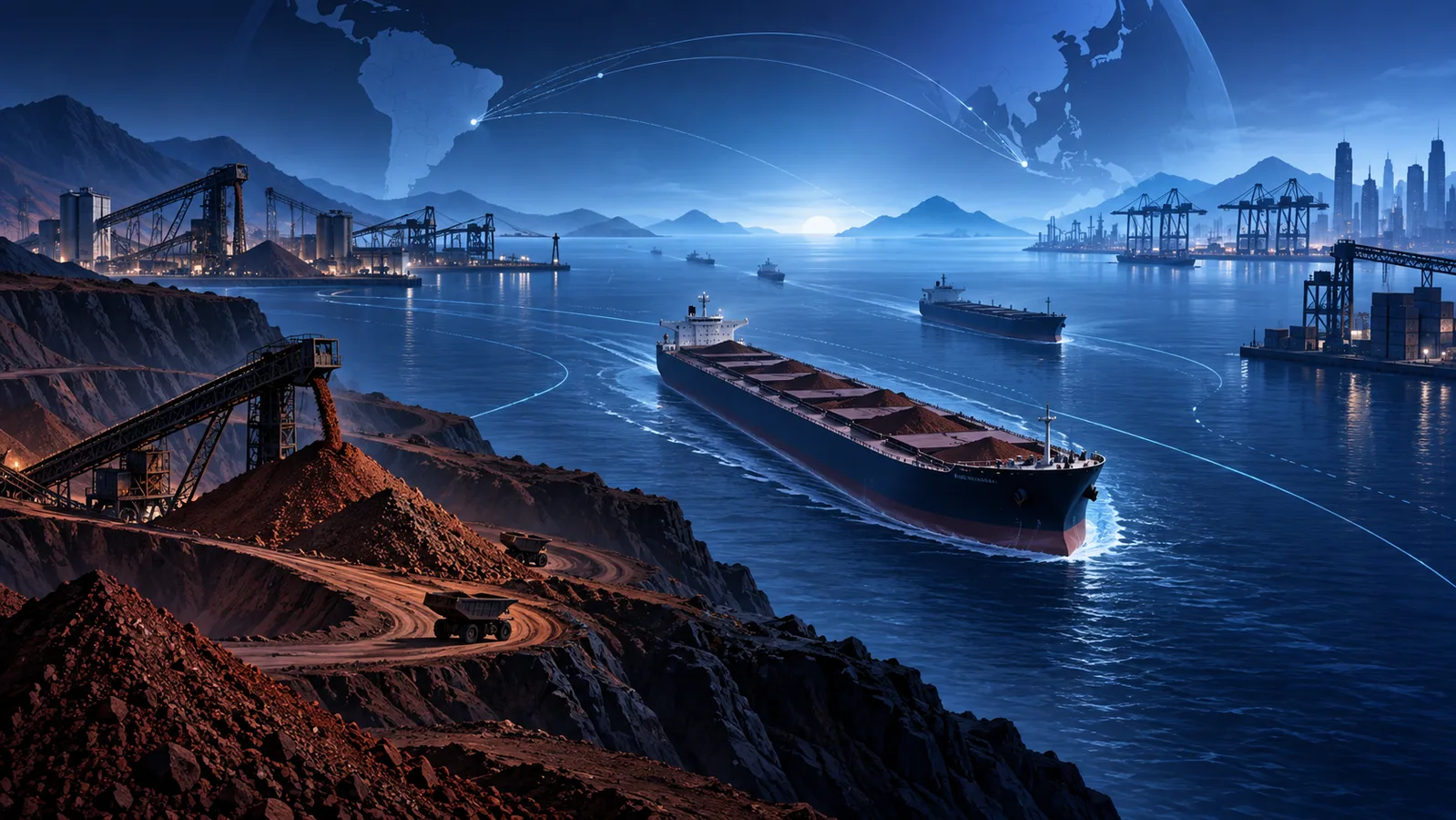
Higher ocean freight between Brazil and China has reduced the margins of Brazilian iron ore miners and has already prompted operational adjustments at companies in Minas Gerais. On the C3 Capesize route between the Port of Tubarão (ES) and Qingdao, China, the rate reached US$ 42.12 per tonne on September 14, one of the highest levels since 2021.
The amount represents a significant share of the international iron ore price, which was trading below US$ 100 per tonne during the period. According to the sources consulted, transport costs more than doubled from the beginning of the year, when they were close to US$ 25 per tonne, squeezing the amount received by exporters.
Mineração Usiminas suspended operations at its Samambaia unit in Itatiaiuçu (MG) on September 2. The facility accounts for approximately 30% to 35% of the company’s iron ore production. The company said the decision is part of measures to address the combination of lower ore prices and higher ocean freight costs.
Itaminas also announced changes. The company said it will suspend the activities of a wet-processing plant in October and place some workers on leave. The measure seeks to preserve cash and bring forward scheduled interventions at the unit, without changing the commercial commitments or production estimates mentioned by the sources.
The pressure is greater for independent producers, which have less capacity to absorb logistics costs. Because freight is deducted from the sale price, higher transport costs directly reduce the revenue obtained per tonne exported.
Factors associated with the increase include higher fuel costs, lower vessel availability caused by weather conditions in the Pacific, scheduled maintenance, and competition for large vessels used to transport other ores. Slowing ships down to save fuel also lengthens voyages and reduces the effective supply of capacity.
The sources assess that the reduction in operations may restrict Brazilian supply, while demand from China’s steel industry remains a structural challenge for the iron ore market.