
New terminal at the Port of Fortaleza plans R$429 million investment and focus on refrigerated cargo
The MUC04 project includes a continuous container area, facilities for 1,226 refrigerated units, and operational capacity of up to 360,000 TEUs per year when fully implemented.
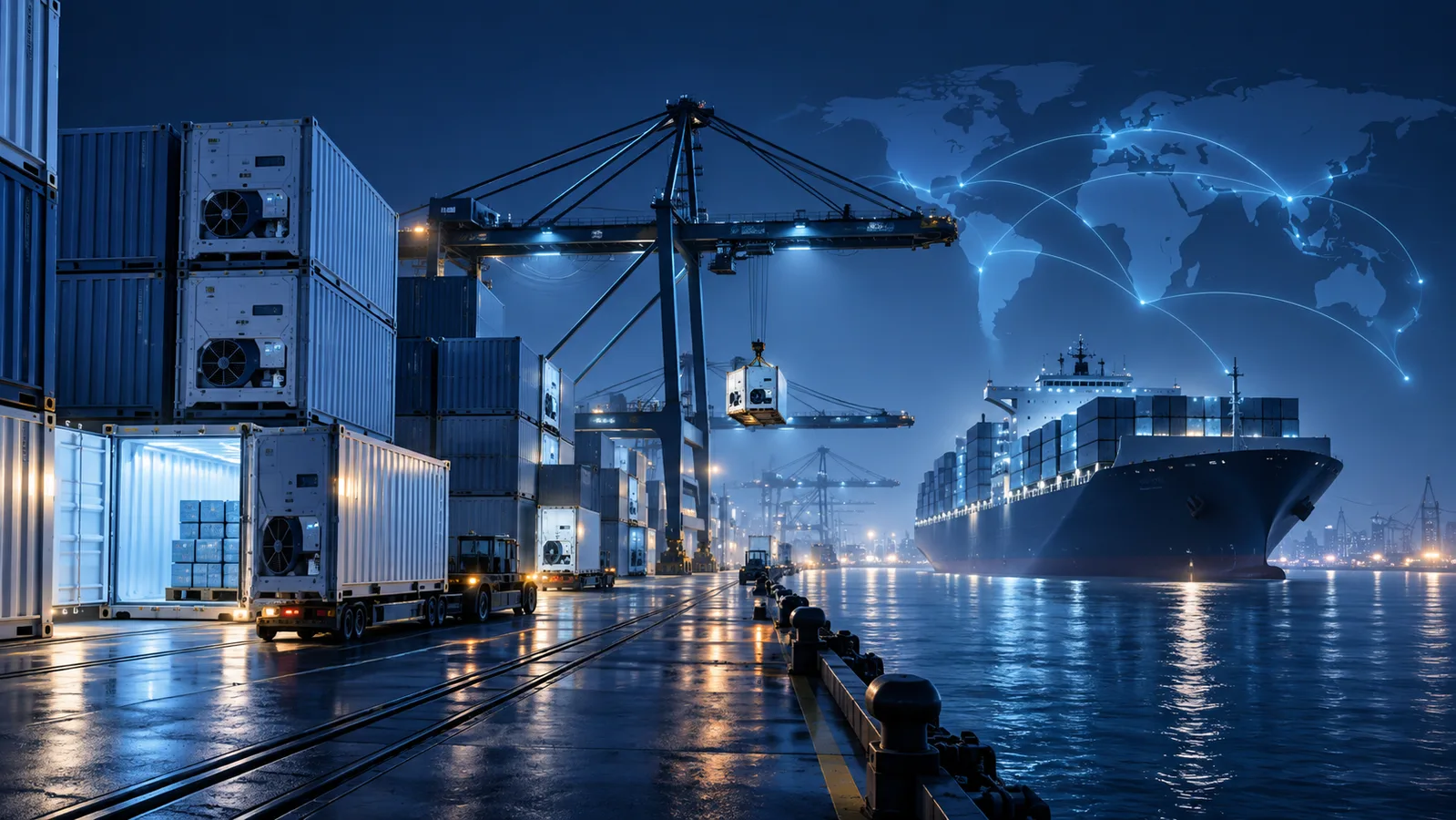
The Port of Fortaleza, in Mucuripe, is expected to receive a new container terminal focused especially on handling refrigerated cargo. The MUC04 project model provides for estimated investments of R$429 million over a 25-year lease term.
The proposal was approved by Brazil's Federal Court of Accounts (TCU), which authorized the process to continue subject to technical and economic-financial adjustments before the tender notice is published. After that stage, the National Waterway Transport Agency (Antaq) will conduct the procedures for the auction, which is expected to take place at B3, in São Paulo.
The terminal will be structured to handle fruit and other refrigerated agricultural commodities. Project requirements include installing at least 1,226 electrical outlets for reefer containers, as well as purchasing three cranes and six large forklifts.
Currently, container operations at the port occupy fragmented areas totaling approximately 88,000 square meters. MUC04 is expected to consolidate the activities in a continuous area of about 148,000 square meters, with a yard prepared to store up to 9,080 TEUs.
The initial operation is planned for berth 106. Subsequently, berth 105 is expected to undergo recovery and structural reinforcement works so that the two berths can be used in an integrated manner. The contract also provides for extending the port breakwater, a measure intended to reduce the effects of long-period waves, known as swell, on maritime operations.
Activities are expected to begin in 2028. With both berths operating in the complete configuration, the terminal could reach an operational capacity of 360,000 TEUs per year. Estimated demand for the first year is 101,100 TEUs, with progressive growth throughout the concession.
The facility was planned in a context of strong participation by refrigerated agricultural cargo in the Port of Fortaleza's container handling. In 2025, this group accounted for 95% of the complex's container handling, particularly fruit destined for international markets.
The terminal's planned area of influence includes states in Brazil's Northeast and Central-West regions. As a result, the project could expand the supply of port services for companies in these regions and strengthen the connection between agricultural production and foreign markets. The plan also includes creating 379 direct jobs in administrative and operational roles.